The Republic of Colleges
Institutional, Human, and Intellectual Networks in Early America
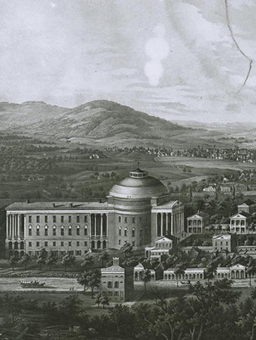
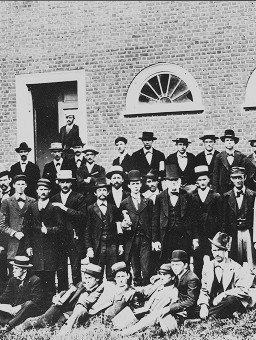
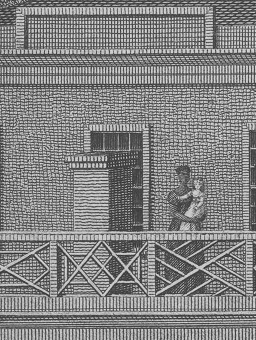
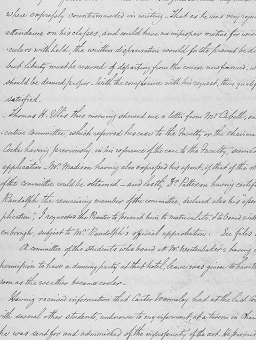
The Republic of Colleges is a digital humanities project dedicated to documenting, analyzing, and visualizing the interconnected world of American colleges and universities from the colonial period through the early republic. The project brings together digitized archival materials, authoritative transcriptions, and a relational database to trace how people, ideas, texts, and institutional practices moved across space and time as students, faculty, administrators, clergy, and patrons migrated throughout the United States.
By treating colleges not as isolated entities but as participants in a dense network of shared governance, correspondence, curricula, patronage, and intellectual exchange, The Republic of Colleges enables scholars, students, and the public to explore how colleges helped shape American politics, religious life, regional communities, and cultural identities, as well as academic norms. The project highlights the role of colleges as engines of social formation—training civic leaders, transmitting ideological commitments, and anchoring emerging towns and regions within national and transatlantic networks.
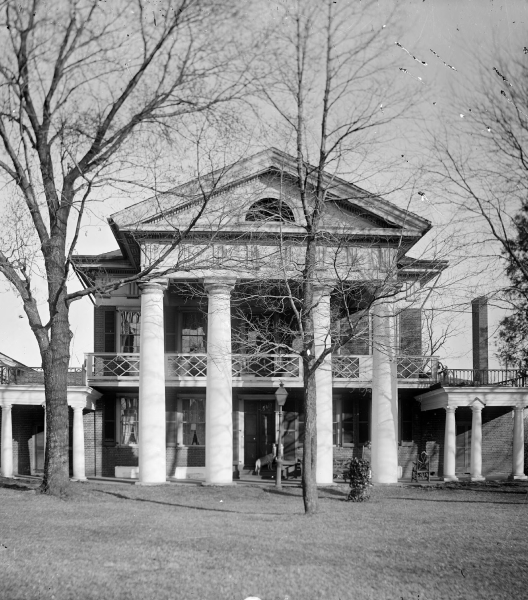
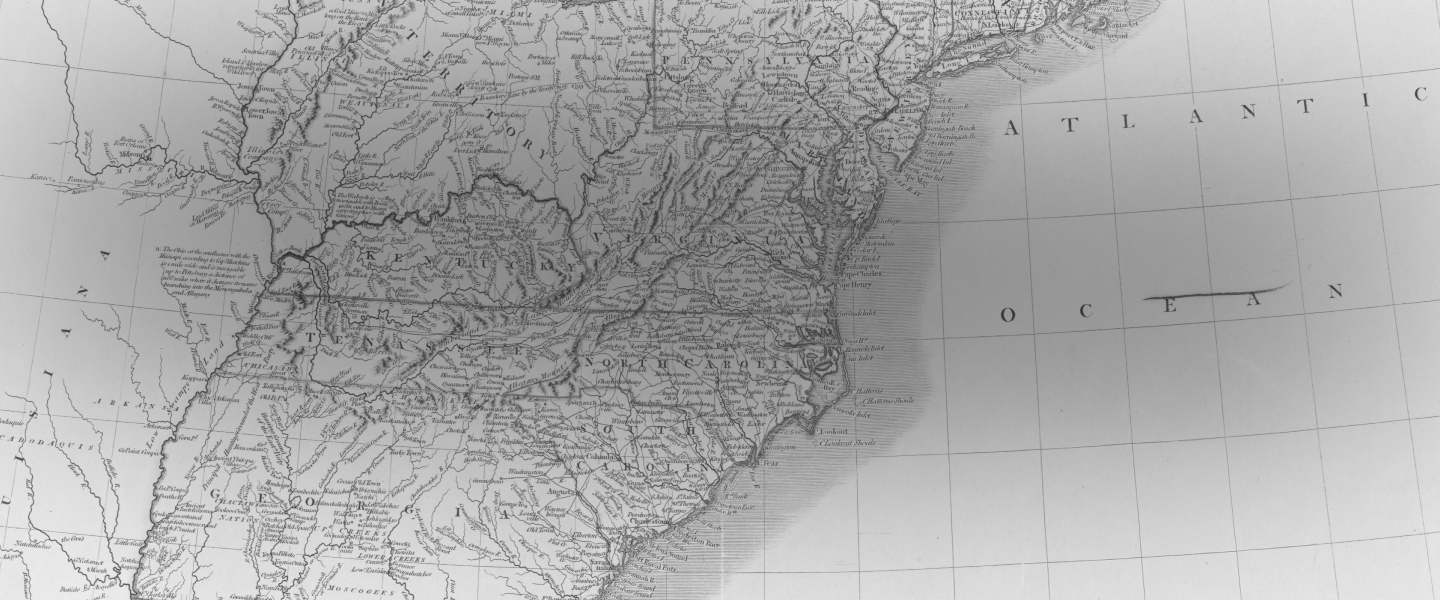
By mapping these institutions spatially, the project provides a visual framework for examining where higher education took root and how it shaped the early American landscape.
Highlighting Some New Histories From Early American Colleges
Print Voices of the Republic of Colleges
This digital library gathers public domain books, newspaper articles, op-eds, and speeches authored by faculty and alumni of The Republic of Colleges, illuminating their ideas, debates, and civic commitments while revealing the intellectual networks that shaped early American education and society.